Coronary Artery Disease
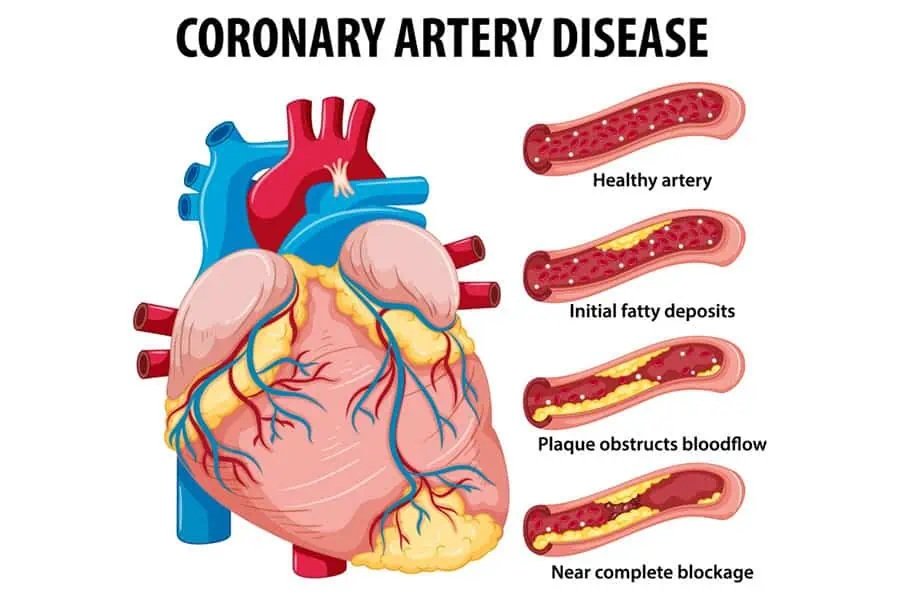
Coronary Artery Disease (CAD) is a condition in which the arteries supplying blood to the heart become narrowed or blocked, most commonly due to the buildup of fatty deposits called plaque. This can reduce the flow of oxygen-rich blood to the heart muscle and, if left untreated, may lead to angina, heart attack, or other heart-related complications.
Causes:
CAD usually develops gradually as plaque accumulates inside the coronary arteries. Risk factors include high cholesterol, high blood pressure, diabetes, smoking, obesity, physical inactivity, unhealthy diet, increasing age, and a family history of heart disease.
Symptoms:
Some people with CAD may have no obvious symptoms, while others may experience:
-
Chest pain, pressure, or discomfort (angina)
-
Shortness of breath
-
Pain or discomfort in the arm, shoulder, neck, jaw, or back
-
Unusual tiredness
-
Sweating, nausea, or dizziness
In some individuals, a heart attack may be the first indication of underlying coronary artery disease.
Diagnosis:
Depending on the patient’s symptoms and risk factors, evaluation may include an ECG, echocardiogram, stress testing, CT coronary angiography, blood tests, or coronary angiography. The appropriate investigation is selected based on the individual clinical situation.
Treatment:
Treatment is individualized according to the severity and type of coronary artery disease. It may include lifestyle modification, medications, coronary angioplasty and stenting (PCI), or coronary artery bypass surgery (CABG) when appropriate. Contemporary management emphasizes risk-factor control, physical activity, healthy dietary habits, medication adherence, and shared decision-making between the patient and healthcare team.
Expert Care:
With timely diagnosis and appropriate treatment, many patients with coronary artery disease can effectively manage their condition and reduce the risk of future cardiovascular events. A personalized treatment plan considers the patient’s symptoms, medical history, coronary anatomy, risk factors, and overall health.
If you experience new, severe, or persistent chest pain or symptoms suggestive of a heart attack, seek emergency medical care immediately.