drshashijanjirala

shashi logo

Deep Vein Thrombosis

Deep Vein Thrombosis (DVT) is a condition in which a blood clot forms in a deep vein, most commonly in the legs. The clot can partially or completely obstruct blood flow and, in some cases, may travel to the lungs and cause a potentially serious condition called pulmonary embolism.
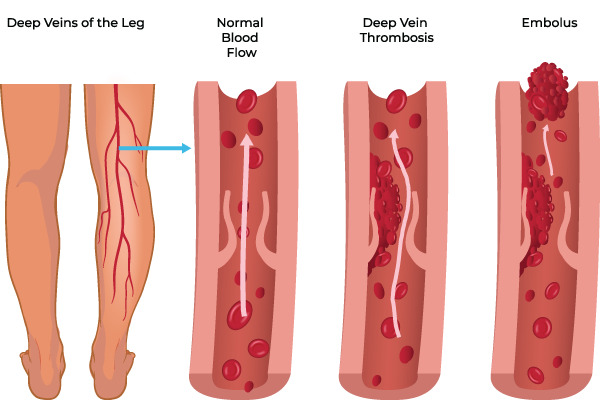
deep venous

Symptoms of DVT

DVT may sometimes occur without noticeable symptoms. When symptoms are present, they may include:

  • Swelling in one leg
  • Pain or tenderness, particularly in the calf or thigh
  • Warmth over the affected area
  • Redness or discoloration of the skin
  • A feeling of heaviness or discomfort in the limb

Risk Factors

The risk of DVT can increase with prolonged immobility, recent surgery or hospitalization, long-distance travel, certain medical conditions, obesity, pregnancy, smoking, increasing age, and a previous history of blood clots.

Diagnosis

Diagnosis may involve a clinical assessment along with investigations such as venous Doppler ultrasound, blood tests, or other imaging studies when required. Early diagnosis is important to reduce the risk of complications.

Treatment

Treatment depends on the location and severity of the clot and the patient’s overall health. Anticoagulant medications are commonly used to prevent the clot from growing and reduce the risk of further clots. In selected patients, catheter-based procedures or other interventions may be considered.

Expert Vascular & Endovascular Care

Timely evaluation and appropriate treatment of DVT can help relieve symptoms, prevent complications, and protect long-term vascular health. Each patient is assessed individually to determine the most appropriate treatment strategy.

Sudden breathlessness, chest pain, coughing up blood, or unexplained rapid heartbeat in a person with suspected DVT requires immediate emergency medical attention.

Scroll to Top