
drshashijanjirala

shashi logo

Femoral Artery


femoral

Femoral Artery

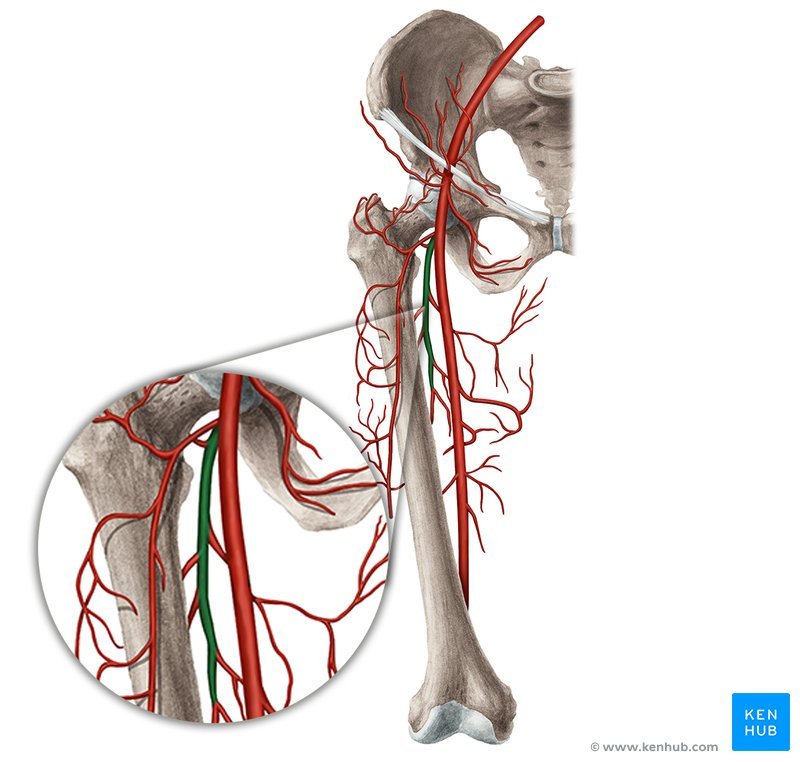
The Femoral Artery is a major blood vessel in the thigh that carries oxygen-rich blood from the heart and pelvic region to the lower limb. It is one of the principal arteries supplying blood to the leg and plays an important role in maintaining healthy circulation.

Why is the Femoral Artery Important?

The femoral artery can be affected by conditions such as peripheral artery disease (PAD), arterial blockages, narrowing, aneurysms, or blood clots. Reduced blood flow may cause symptoms such as leg pain while walking, numbness, coldness, or slow-healing wounds.


Diagnosis and Treatment

Assessment may include a physical examination, Doppler ultrasound, CT angiography, MR angiography, or conventional angiography, depending on the patient’s condition.

Treatment is tailored to the underlying problem and may include medications and lifestyle changes, minimally invasive endovascular procedures such as angioplasty or stenting, or surgery when required.

Expert Vascular Care

Early diagnosis and appropriate management of femoral artery disease can help restore blood flow, relieve symptoms, and reduce the risk of complications. A personalised evaluation helps determine the most suitable treatment for each patient.


Scroll to Top