
A Coronary Angiogram is a specialized imaging procedure used to examine the blood flow through the coronary arteries and identify narrowing or blockages that may affect the heart’s blood supply. It is an important diagnostic tool for evaluating Coronary Artery Disease (CAD) and planning appropriate treatment.
Why is a Coronary Angiogram Done?
A coronary angiogram may be recommended when a patient has symptoms or test results suggesting reduced blood flow to the heart. It can help identify:
- Narrowing or blockage in the coronary arteries
- The location and severity of arterial disease
- The extent of coronary artery disease
- The most appropriate treatment approach
How is the Procedure Performed?
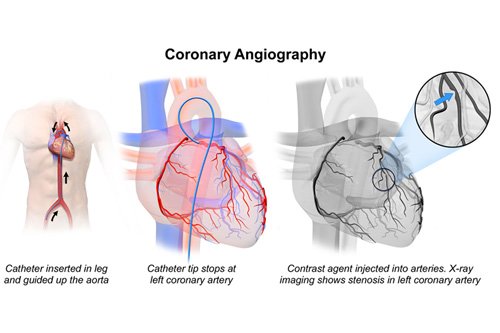
The procedure is usually performed under local anaesthesia. A thin, flexible tube called a catheter is introduced through an artery, commonly in the wrist or groin, and carefully guided toward the heart. A contrast dye is then injected into the coronary arteries while specialised X-ray imaging captures detailed pictures of blood flow and the arteries.
What Happens After the Angiogram?
Following the procedure, the patient is monitored for a period of time. Depending on the findings, the cardiologist may recommend medications, lifestyle modifications, coronary angioplasty with stenting (PCI), or other appropriate treatment.
Safe and Precise Cardiac Evaluation
Coronary angiography provides detailed information about the coronary arteries and helps the interventional cardiologist make informed decisions about treatment. The procedure is generally well established, with the risks and benefits assessed individually for every patient.
Early evaluation of symptoms and timely diagnosis can play an important role in protecting heart health.